
What's Happening at the Port of Brownsville in 2026 — And Why Investors Should Be Paying Attention
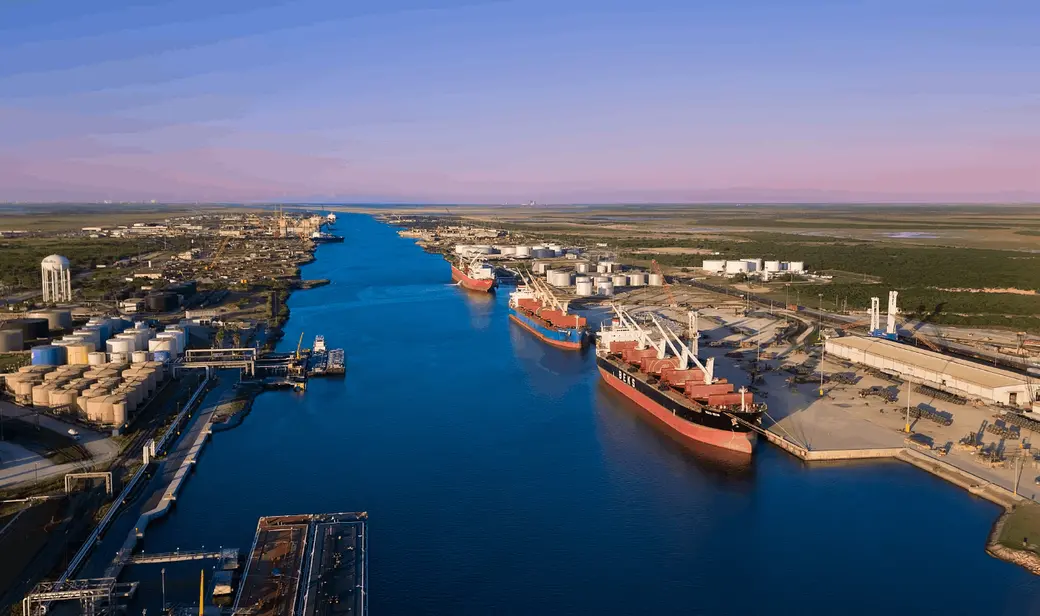
The Port of Brownsville is one of the most strategically positioned industrial assets in South Texas, and in 2026, it's in the middle of a transformation that has real implications for real estate investors, commercial buyers, and anyone paying attention to the long-term economic trajectory of Cameron County.
If you've been focused purely on residential real estate in the RGV, this is a story worth understanding — because the commercial and industrial growth happening along the Brownsville Ship Channel corridor is influencing land values, workforce housing demand, and the overall investment environment for the entire southern tip of Texas.
The Port of Brownsville: A Quick Overview
The Port of Brownsville is the only deepwater seaport in the continental United States located directly on the US-Mexico border. It operates as a Foreign Trade Zone and has historically served oil and gas, heavy manufacturing, and ship scrapping industries. Its 40-foot channel and direct access to the Gulf of Mexico make it a significant industrial asset — but for decades, it operated somewhat under the radar compared to larger Texas ports like Houston and Corpus Christi.
That's changed meaningfully in the past five years, and 2026 finds the port at an inflection point.
Key Developments at the Port in 2026
SpaceX and the aerospace supply chain: SpaceX's Starbase facility operates partially within the Port of Brownsville's footprint. As Starship development has transitioned into operational launches, the port has become an active participant in the aerospace supply chain — supporting logistics, materials handling, and the movement of equipment for SpaceX and its growing contractor ecosystem.
Liquefied Natural Gas (LNG) export: The Brownsville area has been a focal point for proposed LNG export terminal development for years, with multiple projects at various stages of permitting and development. LNG export is a high-capital, long-duration industrial use that generates substantial construction employment and, once operational, creates permanent jobs and long-term industrial land demand in surrounding areas.
Cross-border trade infrastructure: Trade flows between the US and Mexico have grown substantially, driven in part by nearshoring trends as companies relocate production closer to US markets. The Brownsville-Matamoros crossing is a significant commercial port of entry, and investments in infrastructure to facilitate more efficient cross-border trade flow have continued.
Ship channel improvements: The ongoing deepening of the Brownsville Ship Channel is designed to accommodate larger vessels and expand the port's capacity for bulk cargo and energy-related cargoes. Infrastructure investment in the channel itself signals long-term commitment from both the Port Authority and federal stakeholders to Brownsville's industrial future.
Real Estate Implications for Investors
Land values near the port have appreciated significantly. As demand for industrial space — from aerospace suppliers, logistics firms, and energy companies — has grown, land values in the corridor have moved. Industrial and commercial land that was available at modest prices even five years ago now commands meaningfully higher values, and the trajectory points upward as development continues.
Workforce housing demand is rising. Every industrial expansion at the port creates jobs, and every job creates housing demand. Workers and professionals employed at the port, at Starbase, and in the broader supply chain need places to live. Residential real estate in the Brownsville-Los Fresnos-La Feria corridor has benefited from this dynamic, and it's likely to continue.
Commercial opportunities exist across multiple categories. Retail, hospitality, medical, and service businesses all follow population and employment growth. Investors who position commercial assets — or land suitable for commercial development — in areas where workforce populations are growing can benefit from this downstream demand.
A Note on Due Diligence
Industrial and commercial real estate investing requires different due diligence than residential. Environmental history, zoning, utility infrastructure, and access to transportation networks all matter significantly. Buyers considering commercial or industrial land in the Port of Brownsville corridor should engage appropriate professionals — environmental consultants, land use attorneys, commercial real estate specialists — to evaluate specific opportunities.
That said, the macro story in Brownsville is compelling, and investors who do their homework have been finding legitimate opportunities in this market.
Interested in commercial or investment real estate in Cameron County? Element Realty works with investors throughout the Rio Grande Valley, including the Brownsville area. Connect with our team at theelementrealty.com to discuss what you're looking for and how we can help you find the right opportunity.
Categories
- All Blogs (52)
- Brownsville Oil Refinery (3)
- Brownsville Safety Hub (1)
- Brownsville, TX (12)
- Buyer Education (17)
- Cameron County (14)
- Edinburg, TX (7)
- Harlingen, TX (5)
- Hidalgo County (9)
- Local Development & Infrastructure (8)
- McAllen City Center (1)
- McAllen, TX (7)
- Rio Grande Valley Lifestyle (17)
- Seller Education (7)
- SpaceX (2)
Recent Posts





Have questions or ready to take the next step?
Fill out the form below and connect with a local Element Realty expert who can guide you, whether you’re buying, selling, or investing.